Instagram Facebook Youtube linkedin

Computer Science Engineering Department

ABOUT DEPARTMENT

Computer Science or computing Science is the scientific and practical approach to computation and its applications. A Computer Scientist specializes in the theory of computation and the design of computational systems.


Aim :

The goals of the computer science and engineering department are to prepare students for graduate training in some specialized area of computer science, to prepare students for jobs in industry, business or government, and to provide support courses for students in engineering, mathematics and other fields. Computing skills. An ability to analyze a problem, and identify and define the computing requirements appropriate to its solution.


Objectives :

  1. To prepare engineering professionals, recognized for the quality and significance of their knowledge, research and service.
  2. To provide widely recognized leadership in the improvement of Computer science and engineering, through innovation.
  3. Enhance the commitment of faculty, staff, and students to the centrality of diversity, social justice, and democratic citizenship.
  4. To help the students to excel in the field of Computer science through academic excellence and integrity and outstanding teaching.


VISION & MISSION

Vision :

To be a computationally potential department of our institute (ICEEM) in developing students for their excellence in computer engineering education.


Mission :

To establish an Infotech environment of Data Science and Develop Computational Skills to compete with the World Standard fulfilling the Market Demand.

We, at ICEEM, are committed to:

  •  Impart Academic Excellence in Computer education.
  • To inculcate high moral, ethical, and professional standards among our students for holistic development.
  • To evolve the department to the level of an independent identity.
  • Our Resources - Our Students.
  • Our Capital - Our People.

POs, PEOs & PSOs

Program Outcomes :

Engineering Graduates will be able to:

PO 1 - Application of Engineering Knowledge: Apply knowledge of Engineering, management, mathematics and science for solving engineering problems. Analyze, plan and apply the acquired knowledge in basic sciences and mathematics in solving problems with technical, economic, environmental and social contexts.

PO 2 - Analysis of Problem: Ability to design and conduct experiments as well as to analyze and interpret experimental or collected data, simulate and fabricate circuits and systems, and make own projects utilizing the latest software tools and techniques. Design, build, and test analog & digital electronic systems for given specifications.

PO 3 - Design/development of solutions: Design a system, component, or process to meet the desired specifications, performance, and capabilities; compatible with health, safety, legal, societal, and environmental considerations.

PO 4 - Conduct investigations of complex problems: Use research-based knowledge and research methods including design of experiments, analysis and interpretation of data, and synthesis of the information to provide valid conclusions.

PO 5 - Modern tool usage: Create, select, and apply appropriate techniques, resources, and modern engineering and IT tools including prediction and modeling to complex engineering activities with an understanding of the limitations.

PO 6 - The Engineer and Society: Apply reasoning informed by contextual knowledge to assess societal, health, safety, legal, and cultural issues and the consequent responsibilities relevant to the professional engineering practice.

PO 7 - Environment and Sustainability: Understand and correctly interpret the impact of engineering solutions in global, societal, and environmental contexts and demonstrate the knowledge of a need for sustainable development.

PO 8 - Ethics: Understand ethics of life and professions and abide by them.

PO 9 - Individual and Team-work: Communicate effectively, demonstrate leadership qualities, and exhibit professional conduct in their career. Work with a multi-disciplinary team, and appreciate the role of a leader, leadership principles, and attitudes conducive to effective professional practice of Engineering.

PO 10 - Communication: Communicate and present effectively both orally and in writing, such as being able to comprehend and write effective reports and design documentation, make effective presentations and give and receive clear instructions.

PO 11 - Project management and finance: Demonstrate knowledge and understanding of the engineering finance and management principles as a member and leader in a team to manage projects in multi-disciplinary environments. Apply relevant shop practices in compliance with safety policies and current regulations for engineering workplaces.

PO 12 - Life-long learning: Engage in life-long learning, demonstrate knowledge and understanding of contemporary and emerging issues relevant to their domain, demonstrate knowledge and understanding of business practices and principles of management, and understand their limitations. Develop awareness of legal consequences of engineering solutions.


Program Educational Outcomes :

PEO 1: To prepare graduates with a solid foundation in Computer Science and Engineering & Technology for a successful career in Computer Science & Engineering.

PEO 2: To equip graduates with integrity and ethical values so that they become responsible multidisciplinary engineers by exhibiting leadership and team-building skills.

PEO 3: To prepare graduates to excel in competitive examinations / postgraduate programs in advanced education.

PEO 4: To prepare graduates to succeed in industry / technical profession by applying current and innovative Computer engineering technologies by lifelong learning.


Program Specific Outcomes :

 PSO 1: To apply cognitive & non-cognitive pedagogy and adaptive methodological algorithms to model the real-world problems by designing and developing Artificially Intelligent systems for solving inter disciplinary problems.

 PSO 2: To design different tools and techniques for effective decision making and data analytics using standards and principles evaluating security measures for complex networks to solve networking issues.


MEET THE HoD

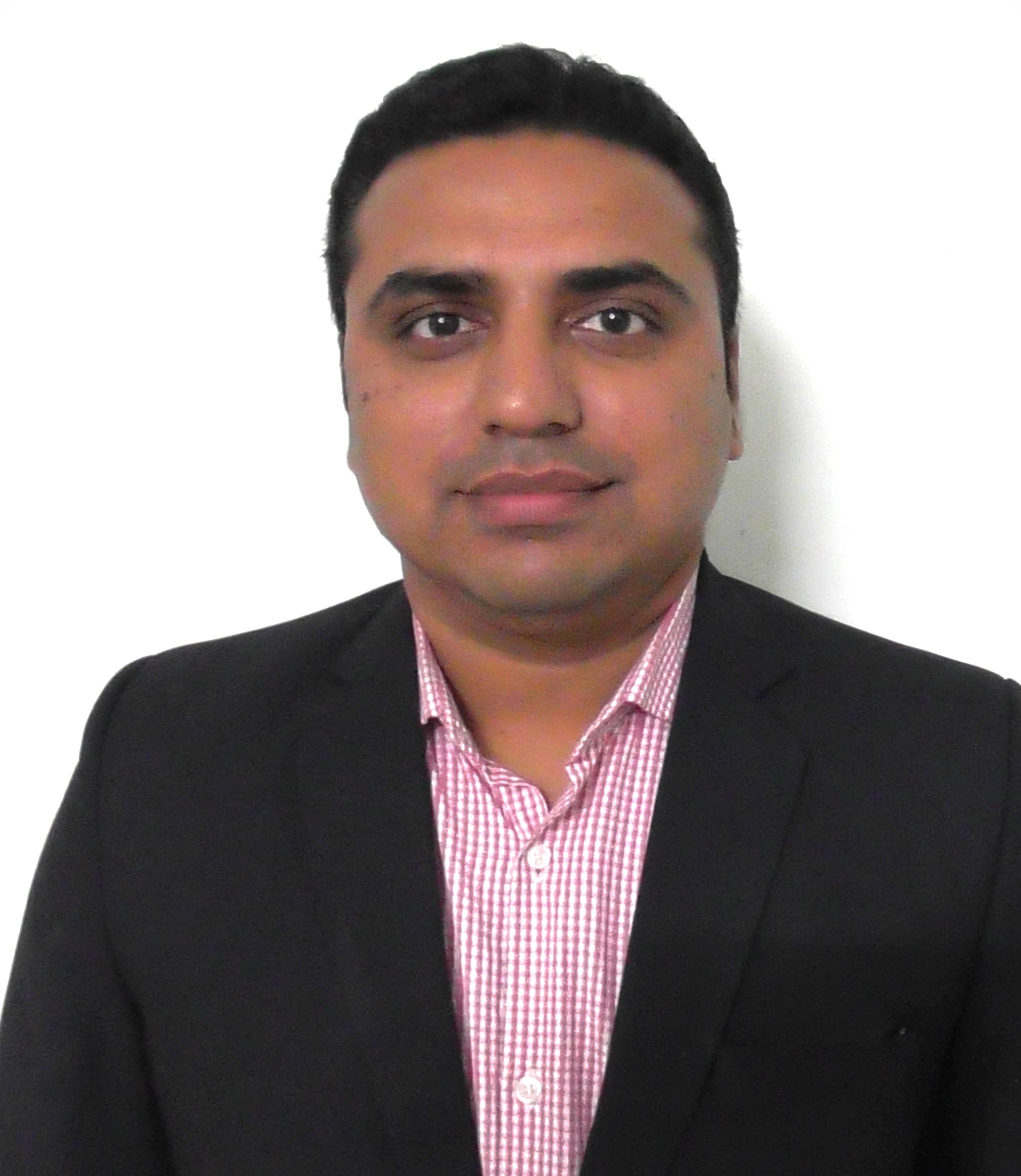
Nitin S.Magar
HOD CSE Department


Computer Science or computing science is the scientific and practical approach to computation and its applications. A Computer Scientist specializes in the theory of computation and the design of computational systems.

Its subfields can be divided into a variety of theoretical and practical disciplines. Some fields, such as computational complexity theory (which explores the fundamental properties of computational.) are highly abstract, while fields such as computer graphics emphasize real-world visual applications. Still, other fields focus on the challenges in implementing computation.

The department also provides LCD and projector facility for effective teaching. The department also has a "Departmental Library" for the departmental Students having references as well as textbooks.

Departmental Agenda 

The goals of the computer science and engineering department are to prepare students for graduate training in some specialized area of computer science, to prepare students for jobs in industry, business or government, and to provide support courses for students in engineering, mathematics and other fields. Computing skills. An ability to analyze a problem, and identify and define the computing requirements appropriate to its solution.

FACULTY

Sr. No. Name Designation Qualification Experience Specialization Contact No. Email ID Photograph
1 Prof. N. S. Magar Principal M.Tech., Ph.D (Pursuing) 15 Years CSE 9021667264 nitinmagar09@gmail.com
2 Prof. K. D. Gadekar HOD B.E. 3 Years CSE 8805160655 komalgadekar@gmail.com
3 Prof. R. G. Ganakwar Assistant professor M.Tech 2 Years CSE 9765488242 rutujaganakwar@gmail.com
4 Prof. V. K. Mali Lecturer B.E. 2 Years CSE 9665914158 varshamali231999@gmail.com
5 Prof. Komal Adhav Lecturer B.E. 2 Years CSE 9373430258 komaletkar99@gmail.com
6 Prof. Rohini Mangudkar Lecturer B.E. 1 Year CSE - rohinimangudkar@gmail.com
7 Prof. Sandhya Sakalkae Lecturer B.E. 6 Months CSE - sandhyasakalkar@gmail.com
8 Prof. Shubhangi Karad Lecturer B.E. 6 Months CSE - shubhangikarad27@gmail.com
9 Prof. Tanushree Chhanwal Lecturer B.E. 6 Months CSE - tanushree.chhanwal16@gmail.com
N. S. Magar
Prof. N. S. Magar
Principal
Read More
Komal Devidas Gadekar
Prof. Komal Devidas Gadekar
HOD
Read More
R. G. Ganakwar
Prof. R. G. Ganakwar
Assistant professor
Read More
V. K. Mali
Prof. V. K. Mali
Lecturer
Read More
Komal Adhav
Prof. Komal Adhav
Lecturer
Read More
Rohini Mangudkar
Prof. Rohini Mangudkar
Lecturer
Read More
Sandhya Sakalkae
Prof. Sandhya Sakalkae
Lecturer
Read More
Shubhangi Karad
Prof. Shubhangi Karad
Lecturer
Read More
Tanushree Chhanwal
Prof. Tanushree Chhanwal
Lecturer
Read More

ACADEMICS

No Content Added Yet

ACHIEVEMENTS

Patents Registered: 

  • Zafar Ul Hasan: Innovation Patent on "A Smart Cooking Device and its process" by IP Australia, Patent No: 2021106717, Validity: 24 August 2029
  • Zafar Ul Hasan: Published and in process "Bio-telemetry and the Internet of Things based Intelligent Healthcare Monitoring System", by office of Controller General of Patent, Designs & Trade Marks, Govt. of India, No: 202241064692, date of Pub: 25/11/2022

Resource Person: 

  • Zafar Ul Hasan: Delivered lecture on "Introduction to Marketing Management" held on 20th August 2022 at MCED Jalna Unit, Jalna.
  • Zafar Ul Hasan: Delivered lecture on "Cash Flow Management in a Business" held on 13th September 2022 at MCED Aurangabad Unit, Aurangabad.
  • Zafar Ul Hasan: Delivered lecture on "Making of Project Report" held on 29th October 2022 at MCED Aurangabad Unit, Aurangabad.
  • Zafar Ul Hasan: Delivered lecture on "Soft Skills" held on 30th November 2022 at MCED Aurangabad Unit, Aurangabad.
  • Zafar Ul Hasan: Delivered lecture on "Strategy for Digital Marketing" held on 31st December 2022 at MCED Khuldabad Unit, Aurangabad.

COMMITTEE

No Content Added Yet

MoU's

Sr. No. Name of Organization / Industries MOU Date
1 Sumago Infotech Pvt. Ltd. 2026-01-20
2 Innovant Technologies Pvt. Ltd. 2025-12-19
3 Excellence Computer Centre 2025-02-20
4 Information Data System 2023-03-13
6 Excelr Raising Excellence 2023-08-07
5 Veterans India 2023-05-18

LABORATORIES

  • OS Lab
  • Microprocessor Lab
  • Computer Network
  • Compiler Design Lab
  • Java Program Lab
  • Python Lab
  • Software Engineering Lab
  • Hardware Lab


COURSE INSTRUCTIONAL METHOD

  • Artificial Neural Networks
  • Business Economics and Financial Analysis
  • Cloud Computing
  • Compiler Design
  • Computer Forensics
  • Computer Organization
  • Cryptography & Network Security
  • Data Communications & Computer Networks
  • Data structures
  • Data Warehousing & Data Mining
  • Database Management System
  • Design & Analysis of Algorithms
  • Dynamic Programming
  • Formal Languages and Automata Theory
  • Intellectual Property Rights
  • Linux Programming
  • OOP through Java
  • Operating System
  • Programming and Problem Solving
  • Software Project Management
  • Web Technology

CERTIFICATE COURSES

Sr. No. Student Name Certification Name Date of Certificate
1Siddhi BoradeUnderstanding Market Risk in Financial Sector08-02-26
2Gaurav GaikwadInclusive Learning08-02-26
3Ohol SanskrutiImprove Interpersonal Skills for Better Results-
4Nandini DumaneBasics of Customer Services20-12-25
5Nandini DumaneState Level Technical Paper Presentation Competition04-02-26
6Yash BarbaileIntroduction to Supply Chain Planning and Scheduling08-02-26
7Adesh KhoseIntroduction to Soft Skill08-02-26
8Adesh BhopaleUnderstanding Risk Management-
9Priti ShirsathIntroduction to Credit Risk17-01-26
10Shriraj HundeTelephone Etiquette17-01-26
11Dipak TaurEmail Etiquette23-01-26
12Apurva WayalUnderstanding Market Risk in Financial Sector08-02-26
13Ashish PathareYuva AI for All18-12-25
14Harsh RathodUnderstanding Market Risk in Financial Sector-
15Sanjivani JadhavImprove Interpersonal Skill for Better Result-
16Sadhana TardeYuva AI for All23-12-25
17Vaishali ChopadeMaster Data Management for Beginners23-12-25
18Sangharaj MagarUnderstanding Market Risk in Financial Sector24-12-25
19Mukund BhangapureBasics of Inventory Management20-12-25
20Alok VishwkarmaCommunication Skills23-12-25
21Sanjivani GaikwadBusiness Etiquette08-02-26
22Rayan IngleYuva AI for All08-01-26
23Pooja JadhavUnderstanding Settlement – Financial Sector08-02-26
24Vaibhav Prakash PatilAccounting Fundamentals09-02-26
25Rehan ShaikhYuva AI for All08-01-26
26Pooja LokhandeInterview and Job Readiness08-02-26
27Shardul ChavanYuva AI for All08-02-26
28Mayuri ArgadeInterview and Job Readiness08-02-26
29Monika JadhavYuva AI for All08-02-26
30Gayatri GayakeYuva AI for All08-02-26
31Hemant MahajanIT Primer08-02-26
32Rupvati HarkalInterview and Job Readiness08-02-26
33Roshan ChaudhariMaster Data Management for Beginners23-12-25
34Naitik JadhavBasics of Inventory Management08-02-26
35Jay JogdandeBasics of Inventory Management08-02-26

Certificate courses in computer science offer specialized knowledge and skills in various areas of the field, such as programming languages, data analysis, cybersecurity, and artificial intelligence. These short-term programs provide practical training, enhancing career prospects and equipping individuals with in-demand expertise. Whether one aims to enter the tech industry or advance within it, CS certificate courses offer a flexible and focused way to gain relevant skills and stay competitive in the rapidly evolving world of technology. Certificate courses in computer science cater to both beginners and professionals seeking to enhance their technical competencies. With options ranging from web development and software engineering to cloud computing and machine learning, these programs provide hands on experience and industry-relevant insights. Recognized by employers, CS certificates validate expertise and can lead to better job opportunities and higher earning potential. Stay ahead in the dynamic tech landscape by enrolling in these concise yet impactful courses.

Objective Of Certification Course:

The objectives of a certification course in computer science include:

  1. Skill Mastery: To provide participants with in-depth understanding and hands on experience in specific areas of computer science, such as programming languages, data analysis, cybersecurity, artificial intelligence, or web development.
  1. Employability: To enhance participants' job prospects by equipping them with industry-relevant skills and credentials that are sought after by employers in the  tech sector.
  1. Career Advancement: To facilitate career growth by validating and expanding participants' expertise, enabling them to take on more challenging roles or transition to specialized fields within computer science.
  1. Stay Current: To ensure participants stay up-to-date with the rapidly evolving technological landscape and trends, enabling them to remain competitive in an ever-changing industry.
  1. Foundation for Further Learning: To serve as a stepping stone for individuals interested in pursuing advanced degrees or further education in computer science, building on the foundational knowledge gained through certification.

Scope of the Course:

The scope of a certification course in computer science is wide-ranging and offers numerous opportunities for personal and professional growth:

  1. Skill Diversity: A computer science certification equips individuals with versatile skills, ranging from programming and software development to data analysis and machine learning, enabling them to pursue various roles within the tech industry.
  1. Industry Relevance: As technology continues to transform various sectors, certified professionals are in demand across industries such as finance, healthcare, e-commerce, and entertainment, broadening the potential career paths.
  1. Entrepreneurship: The skills gained from a computer science certification empower individuals to innovate and create their own tech based startups or projects, contributing to the thriving entrepreneuriallandscape.
  1. Remote Work and Freelancing: With remote work becoming increasingly prevalent, certified computer science professionals can tap into freelance opportunities or remote roles that allow them to work from anywhere.
  1. Continuous Learning: Computer science is a field of constant innovation. A certification serves as a foundation for ongoing learning, enabling professionals to stay updated with emerging technologies and maintain their relevance in the ever-evolving tech landscape

VALUE ADDED COURSES

Value-added computer science courses, such as AI, data science, cybersecurity, and web development, enhance employability by providing specialized skills. These courses, aligned with career goals, offer a competitive edge. Recognized certifications validate gained proficiencies. Research course content, prerequisites, and job prospects before enrolling to ensure relevance in the dynamic industry. Continual learning ensures staying up-to-date and adaptable in the rapidly evolving tech landscape.

Objective of Courses :

1. Expertise Enrichment: Deepen understanding of computer science concepts.
2. Industry Alignment: Align with evolving tech trends and demands.
3. Skill Development: Acquire practical programming and problem-solving skills.
4. Certification Validation: Showcase proficiency in various CS domains.
5. Career Advancement: Enable growth in software development, AI, and more.


Scope of the Courses

1. Comprehensive Subjects: Encompasses diverse computer science areas.
2. Cutting-edge Technologies: Covers AI, blockchain, data science, and more.
3. Versatile Roles: Prepares for careers in software engineering, data analysis, cybersecurity, and more.
4. Industry Demand: Addresses the increasing need for tech-savvy professionals.
5. Real-world Application: Equips for practical challenges in tech innovation and problem-solving.

MOU's

No Content Added Yet

BEST PRACTICES

  • Creating Course Website in CANVAS
  • Recorded Lecture
  • PBA
  • Project Expos

EVENTS

No Content Added Yet

SYLLABUS

Sr. No. Syllabus View
1 BE_new_BECSE-syllabus View
2 SE_CSE_IT-2017-18-syllabus View
3 TE-CSE-IT-2018-19-syllabus View

ACTIVITIES

No Content Added Yet

NEWS LETTER

No Content Added Yet

CONTACT

Dr. S. A. Hirve

Hod CSE. ICEEM

Drop us a message
 

PAPERS PUBLISHED

  • Nitin S. Magar, Zafar Ul Hasan and Humbe Anand "Design and Development of Optimized Cardiovascular Disease Prediction Model using Artificial Intelligence", Published in ESP IJAST ESP International Journal of Advancements in Science and Technology, Vol. 1, Issue 2, pp-20-28, 12th June 2023
  • Zafar Ul Hasan, Dr. C. S. Padmavat and Dr. Deepmala Biradar "Opportunities in the Indian Pharmaceutical Sector: Post COVID-19", presented in National Level Conference at Kohinoor College of Arts Science and Commerce, Khuldabad, Aurangabad, 12th Feb 2023.

Demo

No Content Added Yet

Industrial Visits

Sr. No. Academic Year Name of Industry / Organization Visited Date of Visit
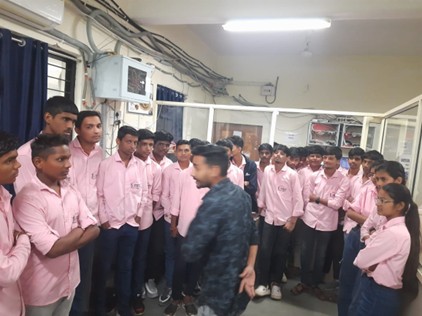
1 2023-24 HYDROTAC ENGINEERING, Waluj, Chh. Sambhajinagar 14-10-2023
2 2023-24 UTKARSHA AUTO, MIDC, Waluj, Chh. Sambhajinagar 14-10-2023
3 2023-24 EXCELLENCE EXAM CENTER, Waluj, Chh. Sambhajinagar 12-02-2024
4 2024-25 EXCELLENCE EXAM CENTER, Waluj, Chh. Sambhajinagar 26-08-2024
5 2024-25 WEBSUMS Software Pvt. Ltd. 05-10-2024
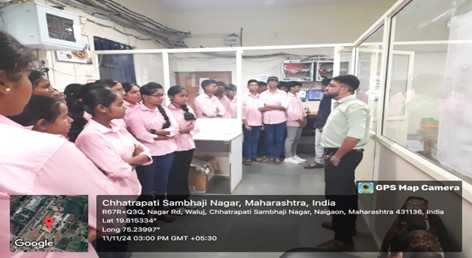
6 2024-25 Don Bosco E-Mobility 11-11-2024
7 2025-26 IP Supershopee Pvt. Ltd. 02-09-2025
8 2025-26 EXCELLENCE EXAM CENTER, Waluj, Chh. Sambhajinagar 02-09-2025
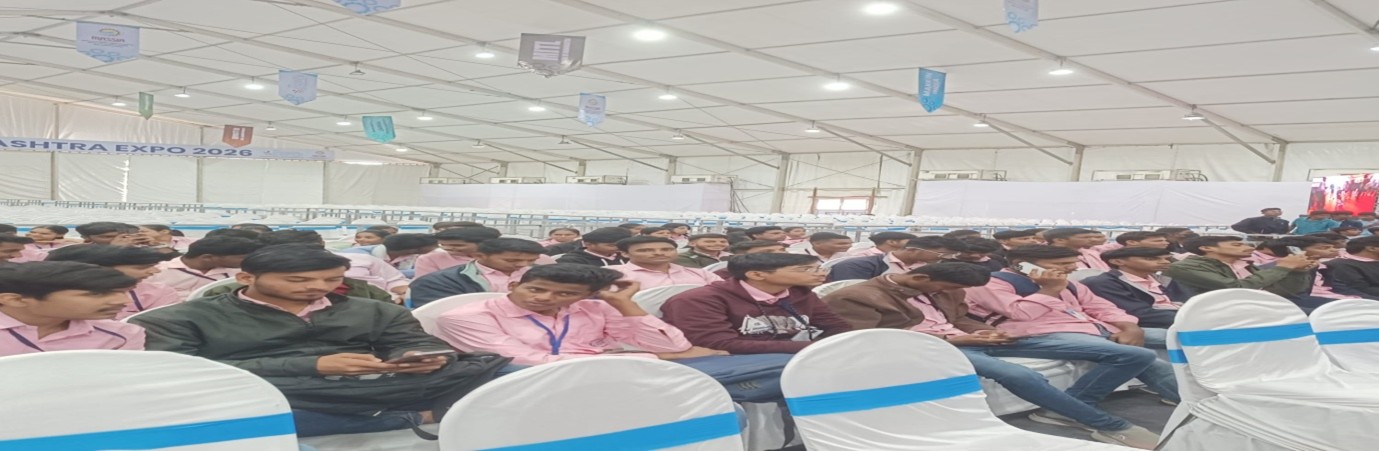
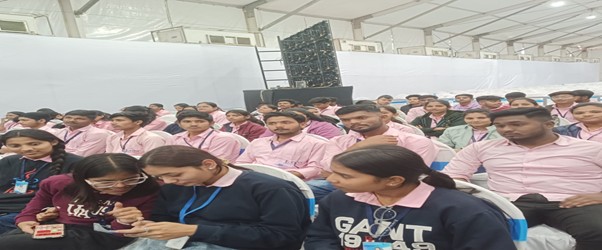
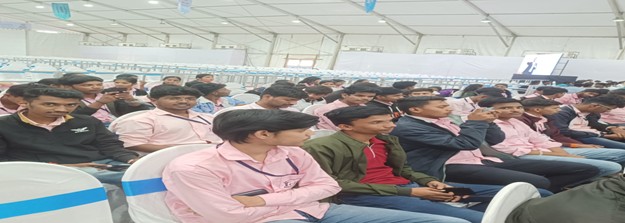
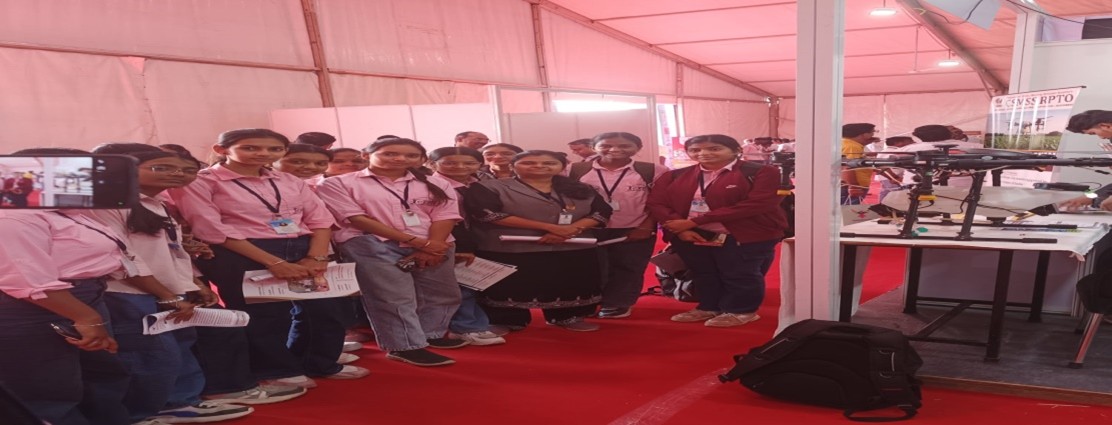
9 2025-26 Mahaexpo 2026, Chh. Sambhajinagar 10-01-2026

Workshops / STTP / FDP/ Conferences

Sr. No. Faculty Name Title of Workshops / FDPs / Seminars Type / Level of Conference / Workshop / Symposium Organiser Details Month & Year
1 Prof. N. S. Magar Orientation Program; Essence of Indian Constitution Online National Institute of Technical Teachers 2024-08-16
2 Prof. N. S. Magar Bulletin of Electrical Engineering & Informatics Hybrid TATS Institute of Advanced Engineering & Science 2024-09-24
3 Prof. K. D. Gadekar Emerging Trends in Research Methodology in Higher Education System Hybrid JAT Arts, Science & Commerce College 2025-02-03
4 Prof. K. D. Gadekar Advances in Engineering & Technologies Online VACOE College 2025-02-14
5 Prof. K. D. Gadekar Gen AI and ChatGPT Application in the Industry - SJC Institute of Technologies 2025-03
6 Prof. R. G. Ganakwar The Role of AI in Sustainable Waste Management Online Conceicao Rodrigues College of Engineering 2025-02-15
7 Prof. R. G. Ganakwar The Future of Quantum Computing and High Performance Computing Online PSV College of Engineering & Technologies 2024-12-28
8 Prof. R. G. Ganakwar Advanced Computing Redefined; Exploring AI, Quantum Computing & Cyber Security Synergies Online Shreeyash College of Engineering & Technologies 2024-11-30
9 Prof. K. B. Adhav Hashgraph Online ICEEM 2025-09-12
10 Prof. R. G. Ganakwar Robotics for Industry 4.0: Enabling Smart Manufacturing Online Sri Venkateswara College of Engineering 2025-11-22
11 Prof. R. G. Ganakwar Shaping the Future of Manufacturing with 3D Printing Techniques Online Sardar Patel College of Engineering 2025-12-06
12 Prof. R. G. Ganakwar Financial Literacy Online MSBTE 2025-04-29
13 Prof. R. R. Mangudkar Hashgraph Online ICEEM 2025-09-12
14 Prof. V. K. Mali Avishkar Offline Dr. BAMU 2025-10-04
15 Prof. V. K. Mali Data Science & Business Analytics Online Indian Institute of Business Management 2025-12-06
16 Prof. V. K. Mali Recent Trend in Electric Vehicle & AI Online MIT College of Engineering 2025-01-24
17 Prof. V. K. Mali Financial Literacy Online MSBTE 2025-04-29