Instagram Facebook Youtube linkedin

Mechanical Engineering

ABOUT DEPARTMENT

Mechanical engineering is a discipline of engineering that applies the principles of physics and materials science for analysis, design, manufacturing and maintenance of mechanical systems.

It is the branch of engineering that involves the production and usage of heat mechanical power for the design, production, and operation of machines and tools. It is one of the oldest and broadest engineering disciplines.


Key Features :

  • Collaboration with reputed industries of impairing industry-specific training to students.
  • Encouragement to students for participate in technical competitions , conferences and presentations.
  • Expert talk series of eminent personalities organized every year by department to acquaint the students with latest technological developments in industrial sector.
  • To provide a sound academic environment to students for a complete learning experience.
  • To provide state-of-the-art technical infrastructure and motivate students and staff to realize their own potential.
  • To promote the technical skills and ensure all-round development of the students and staff.

Objectives:

  1. To prepare engineering professionals, recognized for the quality and significance of their knowledge, research and service.
  2. To provide widely recognized leadership in the improvement of Computer science and engineering, through innovation.
  3. Enhance the commitment of faculty, staff, and students to the centrality of diversity, social justice, and democratic citizenship.
  4. To help the students to excel in the field of Computer science through academic excellence and integrity and outstanding teaching.

VISION & MISSION

Vision :

  • To become a center of Excellence in Mechanical Engineering, producing innovative and creative mechanical engineers with ethical values to meet global needs of Academia, Industry and Society.

Mission :

  1. To educate, prepare and mentor students to excel as Techno-Managerial professionals.
  2. To provide high-quality technical education to students and train them to build leadership and entrepreneurship qualities for the benefit of Industry & Society.
  3. To create opportunities and guide students in acquiring career-oriented jobs in the field of Mechanical Engineering.
  4. To Impart core values and Professional values to students for their overall development.

POs, PEOs & PSOs

Program Outcomes :

PO 1 - Application of Engineering Knowledge: Apply knowledge of Engineering, management, mathematics and science for solving engineering problems. Analyze, plan and apply the acquired knowledge in basic sciences and mathematics in solving problems with technical, economic, environmental and social contexts.

PO 2 - Analysis of Problem: Ability to design and conduct experiments as well as to analyze and interpret experimental or collected data, simulate and fabricate circuits and systems, and make own projects utilizing the latest software tools and techniques. Design, build, and test analog & digital electronic systems for given specifications.

PO 3 - Design/development of solutions: Design a system, component, or process to meet the desired specifications, performance, and capabilities; compatible with health, safety, legal, societal, and environmental considerations.

PO 4 - Conduct investigations of complex problems: Use research-based knowledge and research methods including design of experiments, analysis and interpretation of data, and synthesis of the information to provide valid conclusions.

PO 5 - Modern tool usage: Create, select, and apply appropriate techniques, resources, and modern engineering and IT tools including prediction and modeling to complex engineering activities with an understanding of the limitations.

PO 6 - The Engineer and Society: Apply reasoning informed by contextual knowledge to assess societal, health, safety, legal, and cultural issues and the consequent responsibilities relevant to the professional engineering practice.

PO 7 - Environment and Sustainability: Understand and correctly interpret the impact of engineering solutions in global, societal, and environmental contexts and demonstrate the knowledge of a need for sustainable development.

PO 8 - Ethics: Understand ethics of life and professions and abide by them.

PO 9 - Individual and Team-work: Communicate effectively, demonstrate leadership qualities, and exhibit professional conduct in their career. Work with a multi-disciplinary team, and appreciate the role of a leader, leadership principles, and attitudes conducive to effective professional practice of Engineering.

PO 10 - Communication: Communicate and present effectively both orally and in writing, such as being able to comprehend and write effective reports and design documentation, make effective presentations and give and receive clear instructions.

PO 11 - Project management and finance: Demonstrate knowledge and understanding of the engineering finance and management principles as a member and leader in a team to manage projects in multi-disciplinary environments. Apply relevant shop practices in compliance with safety policies and current regulations for engineering workplaces.

PO 12 - Life-long learning: Engage in life-long learning, demonstrate knowledge and understanding of contemporary and emerging issues relevant to their domain, demonstrate knowledge and understanding of business practices and principles of management, and understand their limitations. Develop awareness of legal consequences of engineering solutions.


Program Educational Outcomes :

PEO 1: Provide students with the fundamental technical knowledge and skills in mathematics, science, and engineering to recognize, analyze and solve problems, and to apply these abilities to the generation of new knowledge, ideas or products in industry or government; and to implement these solutions in practice.

PEO 2: Provide students with the necessary instruction and practical experience to work well in local and international team environments and to be effective written and oral communicators, both for communicating ideas to other people, mentoring, and for learning from others.

PEO 3: Produce graduates who recognize the importance of and engage in life-long learning, whether through self-study, continuing education courses or workshops, or through formal graduate level education and encourage others to have this same motivation.

PEO 4: Produce graduates who have an understanding of ethical responsibility and service towards their peers, employers, and society and follow these precepts in their daily lives.


Program Specific Outcomes :

PSO 1: Ability to design & analyze components & systems for mechanical performance.

PSO 2: Ability to apply and solve the problems of fluid mechanics and power developing systems.

PSO 3: Ability to solve real life problems with the exposure of actual working on field.

MEET THE HoD

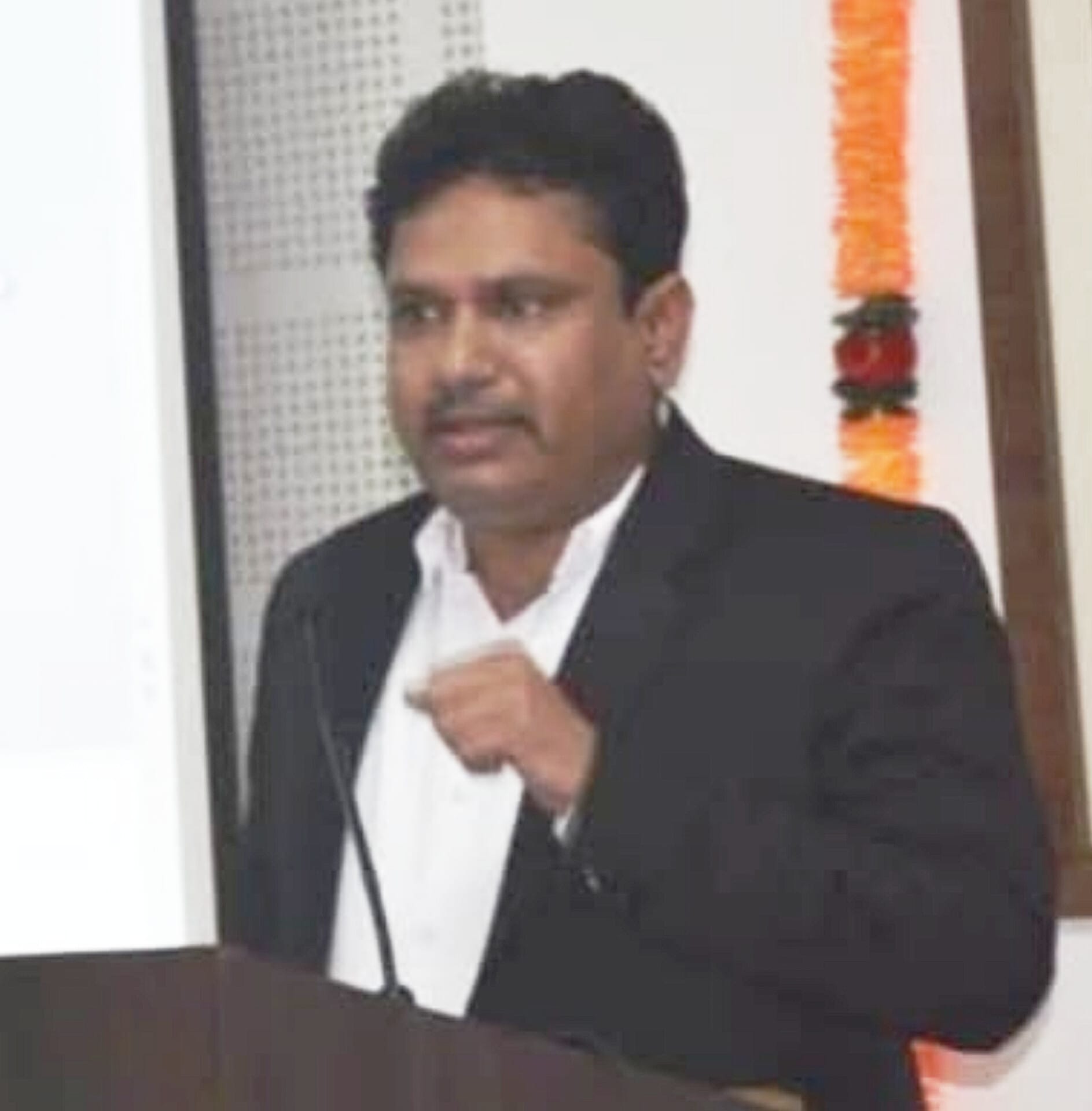
Mr.Shivram B.Janjal


Head Of Department:-Mechanical Engineering.
Qualification:- M.E.
Experience :-13years of Academic
Field of Interest :- Refrigeration and Air conditioning, Thermodynamics
Mobile No. :-9404573098
Email id :- hodmech@iceemabad.com


Mechanical Engineering is a discipline of engineering that applies the principles of Physics and Material Science for the analysis, design, manufacturing, and maintenance of mechanical systems. It is that branch of engineering that involves the production and usage of heat & mechanical power for the design, production, and operation of machines and tools. Mechanical Engineering is one of the oldest and broadest among engineering disciplines.

FACULTY


Prof. S. B. Janjal
Prof. S. B. Janjal 
HOD
Dr. C. S. Padmavat
Dr. C. S. Padmavat 
Campus Director & Associate Professor
Prof. A. B. Humbe
Prof. A. B. Humbe 
Assistant Professor
N. V. Kalyankar
Prof.N. V. Kalyankar 
Assistant Professor
Prof. S. R. Rathod
Prof. S. R. Rathod 
Assistant Professor
Prof. S. S. Tarwade
Prof. S. S. Tarwade 
Assistant Professor
Prof. Y.M.Khan 
Assistant Professor
Dr. Abhay Pawar
Dr. Abhay Pawar
Professor
Prof. V.N.KHARAT
Prof. V.N.KHARAT
Assistant Professor
Faculty Image
Prof. Sayali Satish Deshmukh
Assistant Professor

LABORATORIES

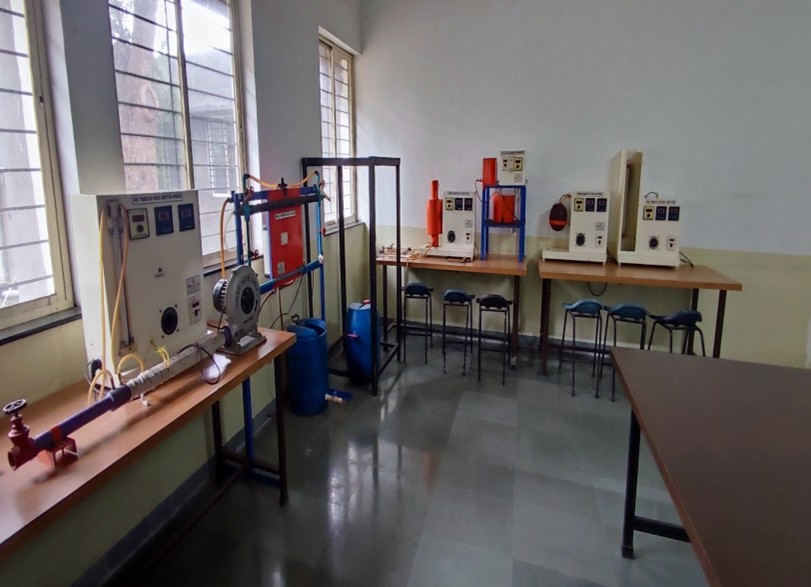
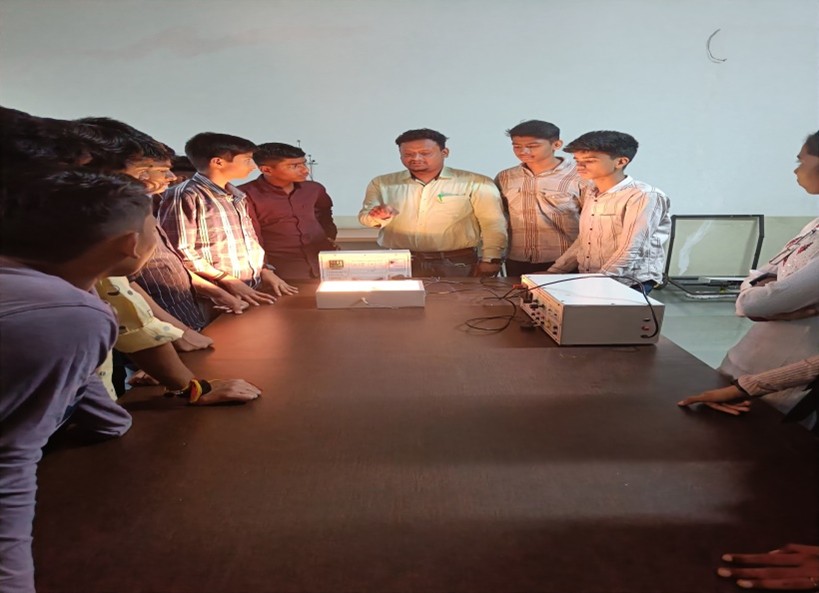
Basic Laboratory - Thermodynamics
Field Details
Department Name Mechanical Engg.
Laboratory Name Thermodynamics
Lab In-charge Prof. S. B. Janjal
Supporting Staff -
Year of Establishment 2011
Lab Location (Room No./Block) -

Major Instruments / Equipment Details
Sr. No. Instrument Name Make / Model Quantity Approx. Cost (₹) Purpose / Use
1 Bomb Calorimeter - 1 82,750 To find out calorific value of fuel
2 Orsat Apparatus - 1 12,100 For exhaust gas analysis
3 Separating and Throttling Calorimeter - 1 97,250 To find out dryness fraction
4 Two Stage Air Compressor - 1 84,500 To study the construction, working, and performance of an air compressor
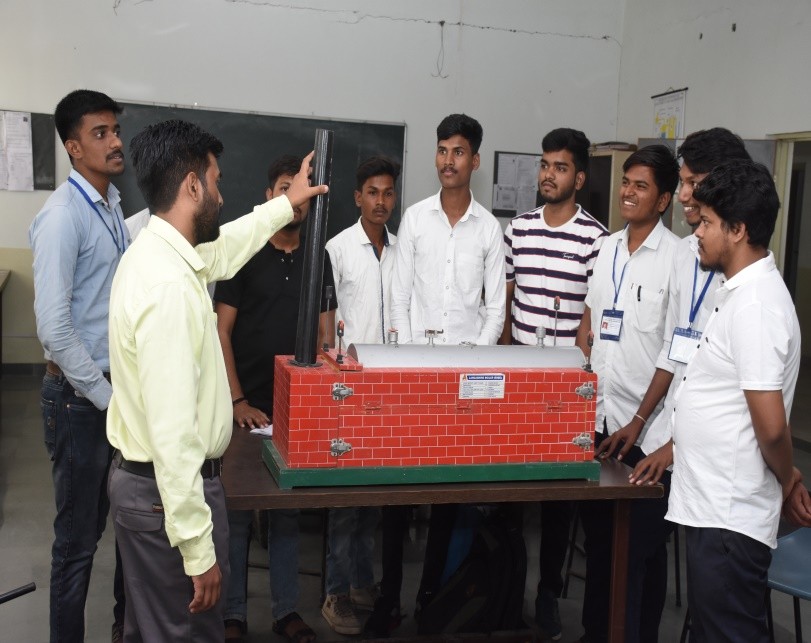
5 Babcock and Wilcox Boiler - 1 11,780 To study construction of boiler

Laboratory Cost and Resources
Particulars Details / Amount (₹)
Total Equipment Cost 4,29,014
Furniture / Infrastructure Cost -
Annual Maintenance Cost -
Total Lab Cost (Approx.) 4,29,014

Laboratory Manual / Reference Material
Sr. No. Experiment Title / Topic Lab Manual Link (PDF / URL)
1 Thermodynamics View / Download
Basic Laboratory - Theory of Machine
Field Details
Department Name Mechanical Engg.
Laboratory Name Theory of Machine
Lab In-charge Prof. S. S. Tarwade
Supporting Staff -
Year of Establishment 2011
Lab Location (Room No./Block) -

Major Instruments / Equipment Details
Sr. No. Instrument Name Make / Model Quantity Approx. Cost (₹) Purpose / Use
1 Balancing of Reciprocating Masses - 1 64,200 To study and understand the balancing of reciprocating masses to reduce unbalanced forces and vibrations in machines
2 Gear Tooth Profile Generator - 1 29,000 To study and generate the correct gear tooth profile using a gear tooth profile generator
3 Study of Governor - 1 29,750 To study the construction, working, and speed control characteristics of a governor
4 Cam Analysis Machine - 1 26,750 To study the cam profile and analyze follower displacement, velocity, and acceleration using a cam analysis machine
5 Balancing of Rotating Masses - 1 18,200 Balancing of rotating masses

Laboratory Cost and Resources
Particulars Details / Amount (₹)
Total Equipment Cost 3,98,035
Furniture / Infrastructure Cost -
Annual Maintenance Cost -
Total Lab Cost (Approx.) 3,98,035

Laboratory Manual / Reference Material
Sr. No. Experiment Title / Topic Lab Manual Link (PDF / URL)
1 Theory of Machine (TOM) View / Download
Basic Laboratory - Heat Transfer
Field Details
Department Name Mechanical Engg.
Laboratory Name Heat Transfer
Lab In-charge Prof. A. B. Humbe
Supporting Staff -
Year of Establishment 2011
Lab Location (Room No./Block) -

Major Instruments / Equipment Details
Sr. No. Instrument Name Make / Model Quantity Approx. Cost (₹) Purpose / Use
1 Thermal Conductivity of Metal Rod - 1 28,800 To determine the thermal conductivity of a metal rod under steady-state heat flow
2 Thermal Conductivity of Insulating Powder - 1 24,000 To determine the thermal conductivity of an insulating powder using steady-state conditions
3 Heat Transfer Through Composite Wall (with Cooling Plate) - 1 34,200 To study heat transfer through a composite wall and determine the overall heat transfer coefficient
4 Heat Transfer Through Natural Convection - 1 24,200 To study heat transfer due to natural convection and determine the convective heat transfer coefficient
5 Heat Transfer Through Forced Convection - 1 27,600 To study heat transfer under forced convection and evaluate the convective heat transfer coefficient
6 Stefan–Boltzmann Apparatus - 1 24,100 To verify the Stefan–Boltzmann law for thermal radiation
7 EM Emissivity Measurement Apparatus - 1 24,300 To determine the emissivity of different surfaces
8 Heat Exchanger - 1 26,650 To study the performance and effectiveness of a heat exchanger

Laboratory Cost and Resources
Particulars Details / Amount (₹)
Total Equipment Cost 2,13,850
Furniture / Infrastructure Cost -
Annual Maintenance Cost -
Total Lab Cost (Approx.) 2,13,850

Laboratory Manual / Reference Material
Sr. No. Experiment Title / Topic Lab Manual Link (PDF / URL)
1 Heat Transfer View / Download
Basic Laboratory - Automatic control system
Field Details
Department Name Mechanical Engg.
Laboratory Name Automatic Control System
Lab In-charge Prof. Y. M. Khan
Supporting Staff -
Year of Establishment 2011
Lab Location (Room No./Block) -

Major Instruments / Equipment Details
Sr. No. Instrument Name Make / Model Quantity Approx. Cost (₹) Purpose / Use
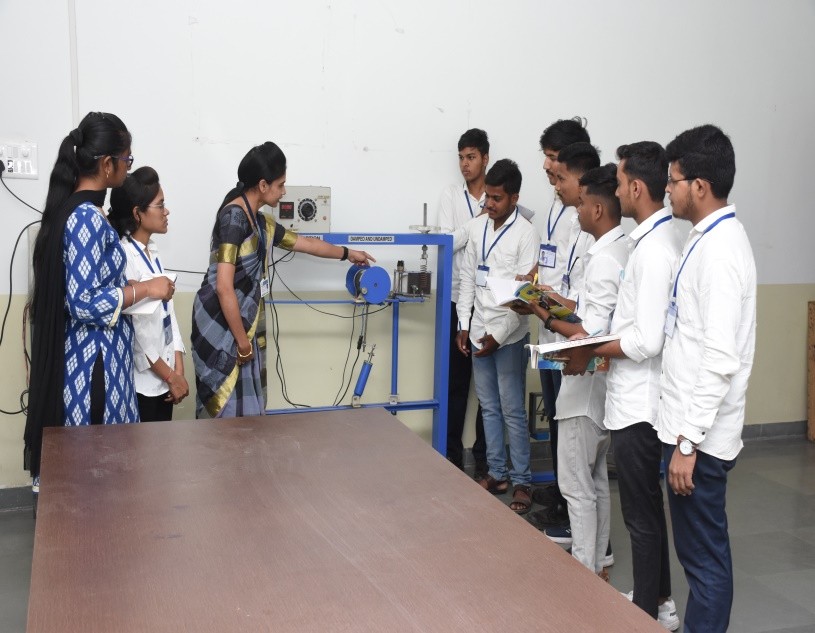
1 Stepper Motor Speed Control System - 1 22,425 To study and control the speed of a stepper motor by varying input pulse frequency
2 Liquid Level Control System - 1 26,000 To study the operation and response of a liquid level control system
3 PID Controller - 1 20,800 To study the effect of proportional, integral, and derivative actions on system performance
4 DC Speed Control System - 1 28,925 To study speed control of a DC motor using different control methods
5 AC Servo Motor Speed–Torque Characteristic Setup - 1 23,125 To study the speed–torque characteristics of an AC servo motor

Laboratory Cost and Resources
Particulars Details / Amount (₹)
Total Equipment Cost 2,42,550
Furniture / Infrastructure Cost -
Annual Maintenance Cost -
Total Lab Cost (Approx.) 2,42,550

Laboratory Manual / Reference Material
Sr. No. Experiment Title / Topic Lab Manual Link (PDF / URL)
1 Automatic Control System (ACS) View / Download
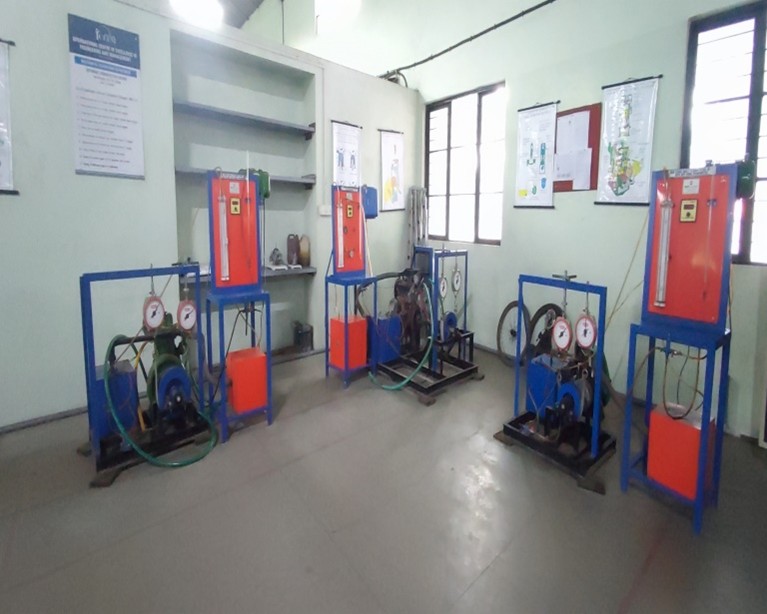
Basic Laboratory - I C Engine
Field Details
Department Name Mechanical Engg.
Laboratory Name I.C. Engine
Lab In-charge Prof. V. R. Yadav
Supporting Staff -
Year of Establishment 2011
Lab Location (Room No./Block) -

Major Instruments / Equipment Details
Sr. No. Instrument Name Make / Model Quantity Approx. Cost (₹) Purpose / Use
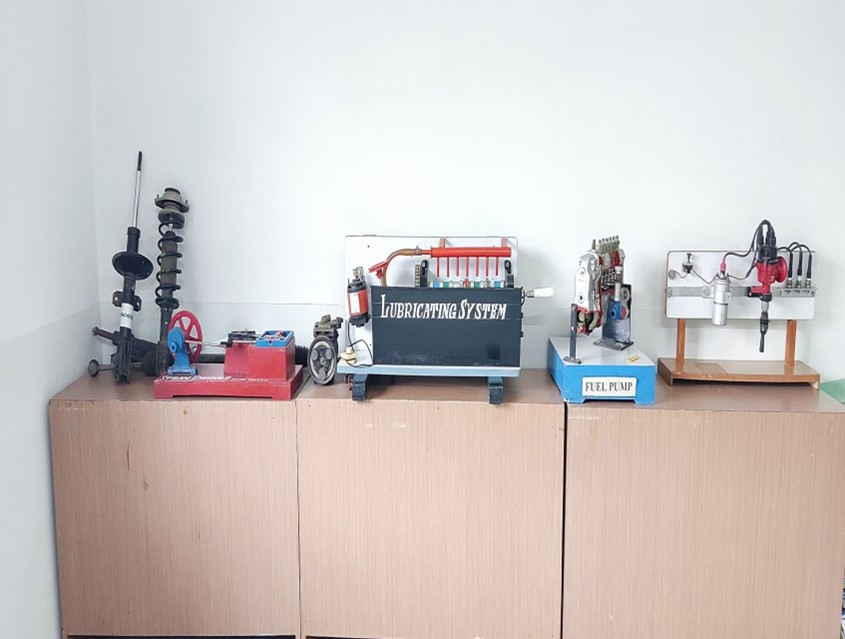
1 Cut Section Model of I.C. Engine - 1 34,000 To study the construction and working of an internal combustion engine using a cut section model
2 Model of Fuel Pump - 1 12,000 To study the construction and working of a fuel pump used in I.C. engines
3 Various Carburetor Models - 1 12,350 To study the construction and working of different types of carburetors
4 Single-Cylinder Four-Stroke Diesel Engine - 1 1,17,950 To study the working of a single-cylinder four-stroke diesel engine
5 Single-Cylinder Four-Stroke Petrol Engine - 1 11,000 To study the working and performance of a four-stroke single-cylinder petrol engine
6 Multicylinder Petrol Engine Test Rig - 1 1,57,300 To study the performance characteristics of a multicylinder petrol engine

Laboratory Cost and Resources
Particulars Details / Amount (₹)
Total Equipment Cost 3,44,600
Furniture / Infrastructure Cost -
Annual Maintenance Cost -
Total Lab Cost (Approx.) 3,44,600

Laboratory Manual / Reference Material
Sr. No. Experiment Title / Topic Lab Manual Link (PDF / URL)
1 I.C. Engine View / Download
Basic Laboratory - Basics of Mechanical Engg.
Field Details
Department Name Mechanical Engg.
Laboratory Name Basics of Mechanical Engineering
Lab In-charge Prof. N. V. Kalyankar
Supporting Staff -
Year of Establishment 2011
Lab Location (Room No./Block) -

Major Instruments / Equipment Details
Sr. No. Instrument Name Make / Model Quantity Approx. Cost (₹) Purpose / Use
1 Epicyclic Gear - 1 12,180 To study the construction, working, and speed ratio of an epicyclic gear train
2 Four-Stroke Petrol Engine - 1 2,071 To study the construction and working of a four-stroke petrol engine
3 Four-Stroke Diesel Engine - 1 2,071 To study the construction and working of a four-stroke diesel engine
4 Multiplate Clutch - 1 2,725 To study the construction and working of a multiplate clutch
5 Gear Train Sample - 1 3,924 To study different types of gear trains and determine their velocity ratios

Laboratory Cost and Resources
Particulars Details / Amount (₹)
Total Equipment Cost 51,094
Furniture / Infrastructure Cost -
Annual Maintenance Cost -
Total Lab Cost (Approx.) 51,094

Laboratory Manual / Reference Material
Sr. No. Experiment Title / Topic Lab Manual Link (PDF / URL)
1 Basics of Mechanical Engineering (BME) View / Download
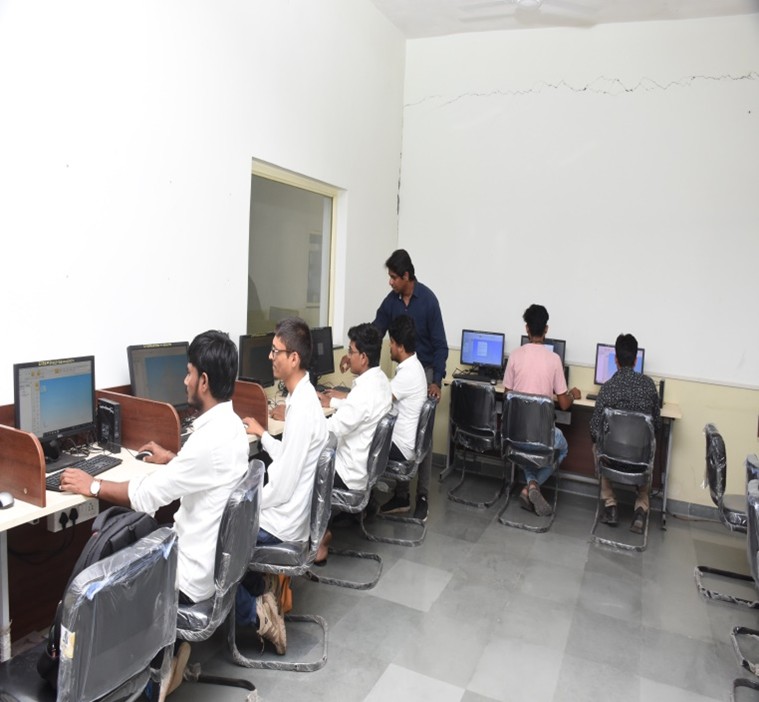
Basic Laboratory - CAD/CAM / Research Lab for ME
Field Details
Department Name Mechanical Engg.
Laboratory Name CAD/CAM / Research Lab for ME
Lab In-charge Prof. N. V. Kalyankar
Supporting Staff -
Year of Establishment 2011
Lab Location (Room No./Block) -

Major Instruments / Equipment Details
Sr. No. Instrument Name Make / Model Quantity Approx. Cost (₹) Purpose / Use
1 Dell PC - 10 1,56,350 To study and use various engineering and CAD/CAM software
2 3D Printer (Ender-3, FDM Type) Ender-3 3 44,601 To study the construction, working, and operation of an FDM type 3D printer (Ender-3)
3 3D Printer (Halot R-6) with Resin Material Halot R-6 1 17,662 To study the construction, working, and printing process of a resin-based (SLA/LCD) 3D printer using photopolymer resin

Laboratory Cost and Resources
Particulars Details / Amount (₹)
Total Equipment Cost 2,18,603
Furniture / Infrastructure Cost -
Annual Maintenance Cost -
Total Lab Cost (Approx.) 2,18,603

Laboratory Manual / Reference Material
Sr. No. Experiment Title / Topic Lab Manual Link (PDF / URL)
1 CAD / CAM View / Download

COURSE INSTRUCTIONAL METHOD

No Content Added Yet

CERTIFICATE COURSES

Certificate Course :

Enrolling in a certificate course at our mechanical engineering college can help further or begin student’s career. Taking less time than a traditional degree, a certificate course exposes students to college level coursework in a condensed amount of time. Students choose to get a certificate course as their interest in department. Mechanical engineering is the design and operation of machines. Within this type of engineering, parts are analyzed to create more efficient and safer systems for manufacturing.


Objective of Certificate course :

A certificate course can offer specialized classes in this field. Some courses that may be taken for this certificate could be computer applications, materials, modeling, production design, composites and mechanics. Sometimes there are further concentrations within a certificate course. Some possible specializations are robotics, computer-aided design, thermodynamics, and hydraulics or product design.


Scope of the course :

Once a certificate in mechanical engineering is awarded, different career options may open up. Additionally, certificate holders have a deeper understanding of the way machines and mechanical systems work. For those who have finished a certificate course in this type of engineering, job opportunities may be more abundant. One type of position that could be an option is robotics designer, which involves creating machines for automated processes. Additionally, careers in structural analysis, which has to do with analyzing systems failures, can be obtained with credentials in mechanical engineering. Other possible career paths are working in drafting, thermodynamics in energy or working in mechanics of various industries. Jobs in mechanical engineering are found primarily in the private manufacturing industry, but there are also opportunities in governmental agencies.


VALUE ADDED COURSES

Value-added courses in mechanical engineering provide specialized insights and skills, enriching a student's educational journey. These courses delve into areas like advanced materials, robotics, thermodynamics, and sustainable design, offering a deeper understanding of complex mechanical systems. By aligning with industry trends and demands, these courses enhance employability, enabling graduates to tackle real-world challenges with practical knowledge. Recognized certifications validate expertise, fostering career advancement and opportunities for innovation in fields ranging from automotive and aerospace to energy and manufacturing.

Objective of Courses :

1. Expertise Enhancement: Courses aim to deepen knowledge in specific subjects.
2. Employability: Enhance job prospects through practical skills.
3. Skill Validation: Obtain recognized certifications to showcase proficiency.
4. Career Growth: Enable advancement and specialization.
5. Industry Relevance: Align with current trends for practical application.


Scope of the Courses :

1. Comprehensive Topics: Covers a wide range of subject areas.
2. Industry Alignment: Reflects current industry trends and needs.
3. Skill Diversity: Develops versatile skills applicable in various contexts.
4. Career Pathways: Opens doors to diverse job opportunities.
5. Practical Application: Equips for real-world scenarios and challenges

MOU's

BEST PRACTICES

  • Adherence to Departmental Academic Calendar- Preparation of Academic Action Plans/Lesson Plan
  • Pedagogical Initiatives - Content Delivery (method of instruction)
  • Project Based Learning
  • Activity Based Leaning
  • Departmental Library
  • Use of ICT Tools
  • Methodologies to Support Weak Students and Encourage Bright Students
  • Teacher Guardian Scheme
  • Remedial Classes for Slow Learners.
  • 3D Printing Club for Students Interested in 3D Printing Technology.
  • Expert Lecture Talks for Students.

EVENTS

Sr. No. Events View
1 3.3.2-(3) View
2 Introduction-to-Blockchain View
3 Reading-Day-Mechanical1 View
4 Awareness-of-IPR View

SYLLABUS

No Content Added Yet

ACTIVITIES

No Content Added Yet

CONTACT

Prof. Y. M. Khan

Hod Mech. ICEEM

Drop us a message

PAPERS PUBLISHED

Sr. No. Title of Paper Author(s) Journal / Book Name ISSN / ISBN DOI / URL Volume / Issue / Pages Year Publisher Indexed In
1 Evaluation of surface treatment methods on fatigue resistance and static flexural bond strength in CAD-CAM resin composites Shivram B. Janjal International Journal for Research in Applied Science & Engineering Technology ISSN: 2321-9653 DOI Vol. 13, Issue VI, June 2025, pp. 1143–1147 2025 IJRASET UGC CARE
2 Evaluation of surface treatment methods on fatigue resistance and static flexural bond strength in CAD-CAM resin composites Y. M. Khan International Journal for Research in Applied Science & Engineering Technology ISSN: 2321-9653 DOI Vol. 13, Issue VI, June 2025, pp. 1143–1147 2025 IJRASET UGC CARE
3 Evaluation of surface treatment methods on fatigue resistance and static flexural bond strength in CAD-CAM resin composites N. V. Kalyankar International Journal for Research in Applied Science & Engineering Technology ISSN: 2321-9653 DOI Vol. 13, Issue VI, June 2025, pp. 1143–1147 2025 IJRASET UGC CARE
4 Performance and Applications of PETG Material in 3D Printing Shivram B. Janjal AN INTERNATIONAL MULTIDISCIPLINARY HALF YEARLY RESEARCH JOURNAL – GENIUS ISSN: 2279-0489 - Vol. XIV, Issue I 2025 GENIUS Journal UGC CARE
5 PETG in 3D Printing – A Perfect Blend of PLA and ABS Shivram B. Janjal AN INTERNATIONAL MULTIDISCIPLINARY HALF YEARLY RESEARCH JOURNAL – GENIUS ISSN: 2319-359X - Vol. XIV, Issue I 2025 GENIUS Journal UGC CARE
6 Performance and Applications of PETG Material in 3D Printing Dr. C. S. Padmavat AN INTERNATIONAL MULTIDISCIPLINARY HALF YEARLY RESEARCH JOURNAL – GENIUS ISSN: 2279-0489 - Vol. XIV, Issue I 2025 GENIUS Journal UGC CARE
7 PETG in 3D Printing – A Perfect Blend of PLA and ABS Dr. C. S. Padmavat AN INTERNATIONAL MULTIDISCIPLINARY HALF YEARLY RESEARCH JOURNAL – GENIUS ISSN: 2319-359X - Vol. XIV, Issue I 2025 GENIUS Journal UGC CARE
8 Performance and Applications of PETG Material in 3D Printing Dr. Abhay Pawar AN INTERNATIONAL MULTIDISCIPLINARY HALF YEARLY RESEARCH JOURNAL – GENIUS ISSN: 2279-0489 - Vol. XIV, Issue I 2025 GENIUS Journal UGC CARE
9 PETG in 3D Printing – A Perfect Blend of PLA and ABS Dr. Abhay Pawar AN INTERNATIONAL MULTIDISCIPLINARY HALF YEARLY RESEARCH JOURNAL – GENIUS ISSN: 2319-359X - Vol. XIV, Issue I 2025 GENIUS Journal UGC CARE
10 Robust Design of Aero Engine Structures: Using the Weighted Product Method Dr. C. S. Padmavat Design, Modelling and Fabrication of Advanced Robot ISBN: 978-81-948459-3-5 DOI - 2023 - UGC CARE
11 A Systematic Investigation on the Influence of the Chemical Treatment of Natural Fibers Using the Fuzzy TOPSIS Method Dr. C. S. Padmavat Sustainable Architecture and Building Materials ISBN: 978-81-956353-7-5 DOI - 2023 - UGC CARE
12 Study of Failure Analysis of T-Joint in Arc Welding Under Tensile and Bending Loading Condition S. S. Tarwade ESP Journal of Engineering & Technology Advancements ISSN: 2583-2646 Journal Link - 2023 ESP Journals UGC CARE
13 Study of Failure Analysis of T-Joint in Arc Welding Under Tensile and Bending Loading Condition N. V. Kalyankar ESP Journal of Engineering & Technology Advancements ISSN: 2583-2646 Journal Link - 2023 ESP Journals UGC CARE
14 Study of Failure Analysis of T-Joint in Arc Welding Under Tensile and Bending Loading Condition Y. M. Khan ESP Journal of Engineering & Technology Advancements ISSN: 2583-2646 Journal Link - 2023 ESP Journals UGC CARE
15 A Case Study on Exhaust Muffler Backpressure Optimization S. S. Tarwade ESP Journal of Engineering & Technology Advancements ISSN: 2583-2646 Journal Link - 2023 ESP Journals UGC CARE
16 A Case Study on Exhaust Muffler Backpressure Optimization N. V. Kalyankar ESP Journal of Engineering & Technology Advancements ISSN: 2583-2646 Journal Link - 2023 ESP Journals UGC CARE
17 A Case Study on Exhaust Muffler Backpressure Optimization Y. M. Khan ESP Journal of Engineering & Technology Advancements ISSN: 2583-2646 Journal Link - 2023 ESP Journals UGC CARE
18 Functionalization of Natural-Fiber Using the WSM Methods Dr. C. S. Padmavat Journal on Applied and Chemical Physics ISSN: 2583-7125 DOI - 2023 - UGC CARE
19 Design and Development of Optimized Cardiovascular Disease Prediction Model using Artificial Intelligence Anand B. Humbe ESP-IJACT ISSN: 2583-8628 Journal Link - 2023 ESP Journals UGC CARE
20 Land Use and Land Cover Analysis Using GIS: A Case Study of ICEEM, Waluj-Aurangabad Anand B. Humbe ESP-IJACT ISSN: 2583-8628 Journal Link - 2023 ESP Journals UGC CARE
21 Study of the Cryogenic Treatment For Different Cutting Tools S. S. Tarwade ESP Journal of Engineering & Technology Advancements ISSN: 2583-2646 Journal Link - 2023 ESP Journals UGC CARE
22 Study of the Cryogenic Treatment For Different Cutting Tools N. V. Kalyankar ESP Journal of Engineering & Technology Advancements ISSN: 2583-2646 Journal Link - 2023 ESP Journals UGC CARE
23 Study of the Cryogenic Treatment For Different Cutting Tools Y. M. Khan ESP Journal of Engineering & Technology Advancements ISSN: 2583-2646 Journal Link - 2023 ESP Journals UGC CARE
24 Characterization of Thermal and Hydrodynamic Properties for Microencapsulated Phase Using the SPSS Method Dr. C. S. Padmavat Materials and its Characterization ISBN: 978-81-948459-0-4 DOI - 2022 - UGC CARE
25 Polymeric Materials for Bone and Cartilage Repair Using IBM SPSS Statistics Method Dr. C. S. Padmavat REST Journal on Advances in Mechanical Engineering ISSN: 2583-4800 DOI - 2022 REST Journals UGC CARE
26 Assessment of Materials Selection Problem in Cryogenic Tank Using COPRAS Method Dr. C. S. Padmavat REST Journal on Data Analytics and Artificial Intelligence ISBN: 978-81-948459-4-2 DOI - 2021 REST Journals UGC CARE
27 Development of an Online Machining Machine Monitoring System Using SPSS Statistics Dr. C. S. Padmavat REST Journal on Data Analytics and Artificial Intelligence ISBN: 978-81-948459-4-2 DOI - 2021 REST Journals UGC CARE
28 Assessment of Materials Used in Penstock in Small Hydro Power by TOPSIS Method Dr. C. S. Padmavat REST Journal on Emerging Trends in Modelling and Manufacturing ISSN: 2455-4537 DOI - 2021 REST Journals UGC CARE
29 Mechanical and Conductive Performance of Electrically Conductive Cementitious Composite Using Graphite, Steel Slag, and GGBS Dr. C. S. Padmavat REST Journal on Emerging Trends in Modelling and Manufacturing ISSN: 2455-4537 - - 2021 REST Journals UGC CARE
30 Waste-To-Energy Solutions That Is Technically and Economically Feasible for Investment in India: A MOORA Technique Based on MCDM Method Strategy Dr. C. S. Padmavat Recent Trends in Management and Commerce ISBN: 978-81-936097-6-7 DOI - 2020 - UGC CARE
31 Thermal Power Plant Equipment Using IBM SPSS Statistics Dr. C. S. Padmavat REST Journal on Emerging Trends in Modelling and Manufacturing ISSN: 2455-4537 DOI - 2020 REST Journals UGC CARE
32 Analysis of Performance and Emission Characteristics by Artificial Neural Network for Single Cylinder Variable Compression Ratio Diesel Engine Using Jatropha and Cottonseed Biodiesels Dr. C. S. Padmavat International Journal of Advance Research in Science & Engineering ISSN: 2319-8354 PDF - 2018 IJARSE UGC CARE

Books / Book Chapters Published

Sr. No. Title Type
(Book / Chapter)
Author(s) Publisher ISBN / ISSN DOI Year of Publication Book Link (URL) Remarks (if any)
1 Industrial Management Principles, Strategies and Practices Book Dr. C. S. Padmavat Notion Press ISBN: 9798890670106 - 2022–23 - -
2 The Role of Ethics in Science and Humanities Chapter Dr. C. S. Padmavat New MN Publication ISBN: 978-81-19718-39-9 - 2024 - -
3 Investigating the Potential of 3D Printing in Optimizing the Design & Manufacturing Process of Lightweight Structure for Aerospace Application Chapter Dr. C. S. Padmavat Bhartiya Shiksha Shodh Pratibha ISSN: 0970-7603 - 2024 - -
4 Promise & Pitfalls: NEP 2020's Potential & Challenges for Technical Education in India Chapter Dr. C. S. Padmavat Aayushi International Interdisciplinary Journal ISSN: 2349-638X - 2024 - -
5 The Ethical Minefield of Weaponized Emerging Technology Chapter Dr. C. S. Padmavat Bharti Publication ISBN: 8197127697, 9788197127694 - 2024 - -
6 Harmony of Gear & Upanishadic Insight: Exploring Mechanical Engineering Through Indian Knowledge System Chapter Dr. C. S. Padmavat Notion Press ISBN: 978-1108779906 - 2024 - -

Patents Filed / Published / Granted

Sr. No. Patent Title Application No. Status
(Filed / Published / Granted)
Date Inventors Remarks (if any)
1 Smart Washroom System 2020102315 Granted - Dr. C. S. Padmavat -
2 Method and System of Managing Social Distancing 2020102319 Granted - Dr. C. S. Padmavat -
3 A Smart Cooking Device and Its Process Thereof 2021106717 Granted - Dr. C. S. Padmavat,
Prof. A. B. Humbe
-